
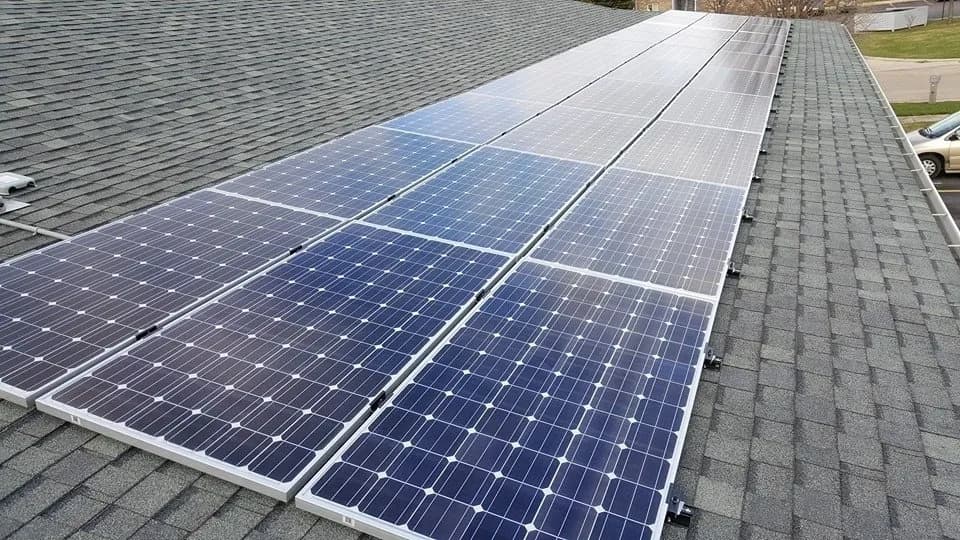
Evaluating Your Home's Roof for Solar
A comprehensive roof inspection is the first technical step in residential solar planning. The structural integrity of rafters and decking must be verified to confirm they can safely support the additional weight of racking and photovoltaic modules.
Roof orientation and slope significantly affect daily energy capture. While south-facing roofs receive the most direct midday sunlight, west-facing roofs are also valuable because they produce energy during late afternoon peak electricity demand hours.
The condition and material of your roofing surface are equally important. Standard asphalt shingles, standing seam metal, and concrete tiles can all support solar, provided specialized watertight flashing hardware is used to prevent leaks.
Key Considerations
- •Ensure your roof has at least 10–15 years of remaining service life before installing solar.
- •South and west roof orientations capture the most productive solar irradiance.
- •Engineered flashing and mounting hardware ensure long-term roof weatherproofing.