
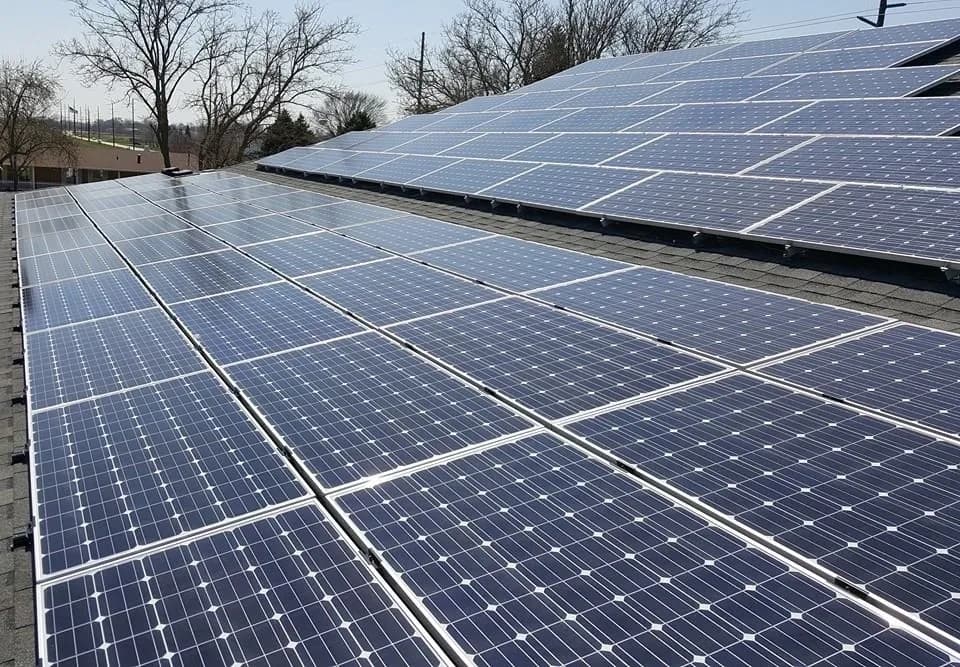
Ground Mount Solar Installation
High-yield solar installations for properties with open yard space, acreage, or roof shading constraints in Batavia, IL and the Fox Valley.
Solar Generation on Open Land
A ground-mounted solar system is an engineered installation where solar panels are secured to ground racking anchored into the soil rather than mounted on a building's roof. Power from the array travels through underground electrical conduit directly to the home's main service panel.
For homeowners with spacious parcels, acreage, or properties where rooftop solar is hindered by shading or architectural features, ground mounts provide a practical alternative to generate clean solar power without touching the roof structure.
Ground Mount vs. Roof-Mounted Solar
Choosing between ground and roof mounting depends on your property's physical topography, available space, and energy goals.
When Ground Mounts Make Sense
- Heavily Shaded Roofs: When tall mature trees shade the house but an unshaded open field or yard area is available.
- Complex or Limited Roof Planes: When dormers, vents, or complex hip roofs leave insufficient continuous surface space.
- Older or Historic Roofs: For properties where preserving architectural or historical roof character is prioritized.
- Ample Usable Acreage: Where a dedicated ground area does not interfere with daily outdoor enjoyment or landscaping.
Tradeoffs to Consider
- Yard Footprint: Ground systems consume lawn or open land that might otherwise be used for recreation or gardening.
- Trenching & Cabling: Installing underground conduit over long distances requires trenching across existing turf or terrain.
- Zoning & Setbacks: Municipalities frequently enforce specific property-line setback requirements for accessory ground structures.
- Ground Support Requirements: Structural foundations (such as concrete piers or driven ground posts) are engineered to withstand local wind and frost-depth loads.
Site Considerations & The Installation Process
Evaluating ground topography and executing a compliant installation requires careful site planning.
Sun Exposure & Shade
Surveying candidate ground areas to verify consistent solar irradiance clear of trees, fences, and future growth.
Zoning & Setbacks
Checking municipal guidelines regarding distance from property lines, easements, and accessory building regulations.
Soil & Foundations
Reviewing soil type, rock presence, and frost line depth to engineer durable ground post or concrete footing supports.
Conduit Trenching
Determining the safest, least-disruptive underground path for electrical cabling running from the array to the home.
How Ground Mount Installation Progresses
Site Assessment
Topographical review, sun mapping, and underground utility marking.
Permitting
Structural and electrical engineering drawings submitted for local municipal approval.
Ground Racking & Trenching
Foundations secured, racking constructed, and electrical conduit trenched.
Wiring & Interconnection
Panel mounting, inverter integration, municipal inspection, and utility PTO.
Explore Residential Solar Services
Explore other residential clean energy solutions tailored to your property.
Residential Solar Roof
Compare ground arrays with custom rooftop solar installations mounted directly onto your home's roof.
Home Battery Backup
Pair your ground-mounted solar system with battery storage to provide emergency power during grid blackouts.
Home EV Charging
Power your electric vehicle with clean electricity generated by your ground-mounted solar system.
Ground Mount Solar Across Kane County & The Fox Valley
Headquartered at 336 McKee St E, Batavia, IL 60510, SunHeat Solar evaluates acreage and residential properties across Batavia, Elburn, St. Charles, Aurora, North Aurora, Wheaton, and neighboring communities.
Explore our full service area coverageGround Mount Solar FAQs
Answers to frequent homeowner questions regarding ground-mounted solar arrays.
Ground-Mount & Site Planning Guides
Compare rooftop vs. ground-mounted solar configurations, setback requirements, soil considerations, and system sizing.
Illinois Solar Guide: What Homeowners and Businesses Should Know
Yes. Illinois properties receive sufficient annual sunlight to generate practical solar electricity, with modern photovoltaic systems operating effectively across all four seasons.
Home Solar Guide: Planning a Residential Solar System
A residential solar system consists of roof-mounted or ground-mounted photovoltaic panels that convert sunlight into direct current (DC) electricity, which an inverter converts into usable alternating current (AC) for your household.
Rooftop vs. Ground-Mount Solar: Which Approach Fits Your Property?
Rooftop solar utilizes existing building roof surfaces using specialized racking hardware, while ground-mount solar is installed on dedicated ground-anchored racking in an open yard or parcel.
Explore Ground Mount Solar for Your Property
Contact SunHeat Solar today to schedule a property evaluation and learn whether ground-mounted solar fits your land and energy goals.