
Home EV Charging Installation
Convenient residential electric vehicle charging installations engineered to pair with home solar systems in Batavia, IL and the Fox Valley.
Dedicated Charging at Your Home
A dedicated residential EV charger utilizes a higher-voltage 240V electrical circuit to supply power to your electric vehicle significantly faster than standard 120V household outlets. Installed in your garage or on an exterior wall, it provides a safe, permanent charging station tailored to your daily routine.
As electric vehicles become increasingly common across Illinois, integrating home charging with on-site solar generation allows property owners to create a self-sustaining clean energy loop—powering daily transportation directly from sunshine captured on the roof.
Home EV Charging Considerations
Evaluating your home’s electrical infrastructure and vehicle parking arrangements ensures a safe and dependable setup.
Electrical Capacity
A qualified technician reviews your main service panel amperage (such as 100A or 200A) and existing household electrical loads to confirm safe circuit addition.
Mounting Location
Determining whether the station will be mounted inside a garage or outside near a driveway, with weather-resistant conduit and enclosures where exposed.
Cable & Port Reach
Evaluating parking orientations so the charging cable reaches your vehicle's charge port naturally without creating tripping hazards or strain.
Circuit Breaker Sizing
Matching the dedicated breaker and wire gauge to the specific amperage rating recommended for your charging station and vehicle specifications.
Pairing EV Charging with Solar Energy
Charging an electric car adds significant kilowatt-hour demand to a home's electric profile. When you generate clean electricity from an on-site rooftop or ground-mounted solar system, that daytime generation can offset the extra power needed for your daily commute.
Even when charging occurs overnight, homes connected to standard net-metering utility programs can bank solar credits generated during sunny daylight hours to offset nighttime charging consumption, creating a balanced energy profile.
Why Install at Home?
- Everyday Convenience: Plug in overnight and start every morning with a full battery without detours to commercial charging plazas.
- Dedicated Circuit Safety: Engineered wiring and dedicated breakers avoid overheating hazards associated with extension cords or standard outlets.
- Home Modernization: Adds desirable modern electrical infrastructure that aligns with long-term residential electrification trends.
The EV Charger Installation Process
Site & Panel Survey
Inspection of main electrical service, panel breaker space, and conduit pathway.
Permitting
Municipal electrical permit application prepared in accordance with local Illinois codes.
Conduit & Circuit Install
Dedicated 240V wiring installed from the panel to the designated charger mounting spot.
Testing & Code Inspection
Unit powered, circuit integrity verified with diagnostic testing, and final municipal inspection.
Explore Residential Solar Services
Pair your home EV charging setup with other residential clean energy solutions.
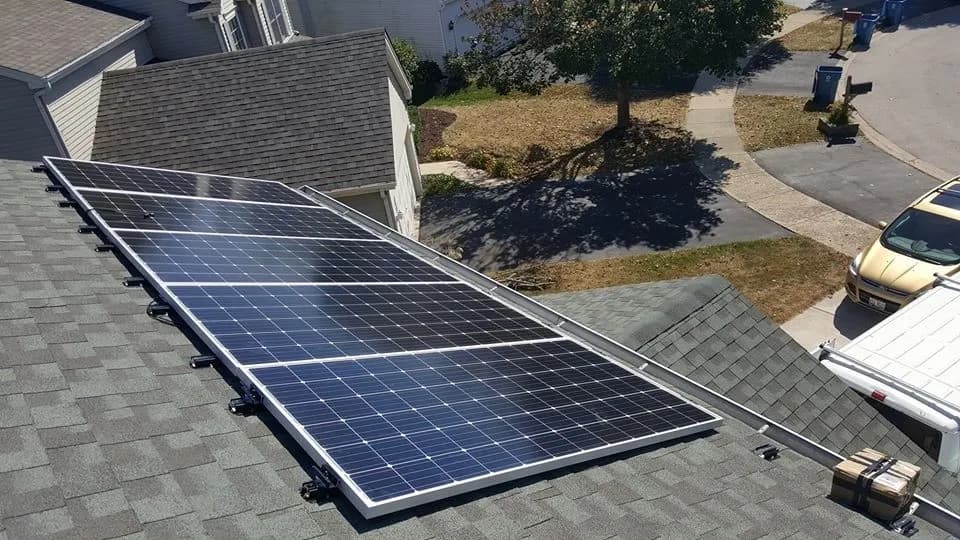
Residential Solar Roof
Produce clean solar power directly from your roof to power your home and help fuel your electric vehicle.
Home Battery Backup
Store excess solar energy to provide emergency backup power during utility blackouts and storm outages.
Ground Mount Solar
An alternative solar generation layout for acreage, spacious yards, or heavily shaded roof structures.
Home EV Charging in Batavia & Surrounding Communities
Based at 336 McKee St E, Batavia, IL 60510, SunHeat Solar helps homeowners across Batavia, Aurora, North Aurora, Wheaton, St. Charles, Geneva, and Naperville evaluate and design home EV charging integrated with solar energy.
View our complete service area hubHome EV Charging FAQs
Helpful answers to frequent questions regarding residential electric vehicle charging installation.
EV Charging & Solar Integration Guides
Learn how to size your solar system for EV driving miles, home electrical capacity requirements, and smart charging strategies.
Home Solar Guide: Planning a Residential Solar System
A residential solar system consists of roof-mounted or ground-mounted photovoltaic panels that convert sunlight into direct current (DC) electricity, which an inverter converts into usable alternating current (AC) for your household.
Home Battery Backup Guide: Solar Energy Storage Explained
A home battery backup system stores electrical energy—typically generated by solar panels—so it can be dispatched to power your home during utility blackouts or during periods when solar panels are not producing.
Solar + EV Charging: Planning Home and Business Charging
Yes. An electric vehicle can be charged using electricity generated by your rooftop or commercial solar panels, providing clean, localized vehicle fuel.
Ready to Charge at Home?
Contact SunHeat Solar today to discuss home EV charger installation and solar energy integration for your property.